
Most homeowners do not notice a garage door balance problem until the door is already struggling to open or making sounds it never used to make. The reality is that balance does not disappear overnight. It fades gradually through a combination of daily wear, seasonal stress, and small mechanical changes that build up over months and years.
Understanding how and why a garage door loses balance gives you a real advantage. You can spot the early signs, take the right preventive steps, and avoid the kind of damage that turns a simple adjustment into a full garage door repair service call. This guide breaks down the process from start to finish so you know exactly what is happening inside your garage door system.

How Daily Use Wears Down Garage Door Balance
Every time your garage door opens and closes, the springs, cables, rollers, and tracks absorb stress. A residential garage door can cycle thousands of times per year, and that constant motion slowly wears down the components that keep the system balanced. Small changes in spring tension, roller condition, and cable alignment add up over time and eventually shift the door out of its proper balance point.
Everyday Wear Factors That Affect Balance
- Springs stretch slightly with each cycle, gradually losing the tension needed to counterbalance the full weight of the door.
- Rollers wear down or flatten on one side, causing the door to travel unevenly along the track with each use.
- Hinges loosen over time from repeated movement, allowing the panels to shift and throw off the door’s overall alignment.
- Cable tension changes as the cables stretch and settle, often unevenly between the left and right sides of the door.
If you are still wondering whether this level of wear actually requires attention, our guide on Does a Garage Door Need to Be Balanced? answers that question from the ground up.
How Weather and Seasonal Changes Affect Garage Door Balance
Temperature and humidity have a bigger impact on garage door balance than most homeowners realize. Metal components expand in heat and contract in cold, and those shifts in size affect how tightly everything fits and functions together. In areas like Lawndale, NC, where summers are warm and humid, and winters bring cold snaps, seasonal stress on the door system is a year-round concern.
How Seasonal Conditions Break Down Balance Over Time
- Cold temperatures cause torsion springs to contract and stiffen, reducing their ability to lift the door smoothly and evenly.
- Heat and humidity cause metal tracks to expand slightly, which can create friction points or gaps that alter the door’s travel path.
- Moisture from rain and humidity accelerates rust on springs, cables, and hardware, weakening their structural integrity over time.
- Wood garage doors absorb moisture and can warp or swell unevenly, adding weight to one side and throwing off balance.
The Role of Springs in Garage Door Balance Loss
Torsion and extension springs are the heart of the garage door balance system. They are calibrated at installation to carry the exact weight of your specific door, and when they begin to wear, the entire balance equation shifts. Spring wear is one of the leading causes of a garage door going out of balance, and it is also one of the most dangerous components to inspect without proper training.
How Spring Wear Leads to Balance Problems
- Torsion springs lose tension gradually and may reach a point where they can no longer support the door’s full weight evenly.
- Extension springs on older systems can stretch beyond their designed range, causing one side of the door to lift higher than the other.
- A broken spring forces the opener to carry weight it was never designed to handle, accelerating damage across the entire system.
- Uneven spring wear between the left and right sides creates a visible tilt in the door that worsens with every cycle.
According to the Door and Access Systems Manufacturers Association, garage door opener safety depends heavily on proper spring tension and balance, making professional inspections a critical part of routine maintenance.
How Track and Hardware Problems Contribute to Balance Loss
The tracks guide the door through its full range of motion, and even minor damage or misalignment can throw the entire system off. Over time, tracks can shift, bend, or accumulate debris that affects how the rollers travel. Loose hardware compounds the problem by allowing the track to move during operation instead of staying fixed in position.
Track and Hardware Issues That Cause Progressive Balance Loss
- Track brackets loosen from wall vibration over time, allowing the track to shift slightly out of vertical alignment.
- Dents or bends in the track from minor impacts create resistance points that force the rollers to work harder on one side.
- Debris and dirt buildup inside the track channels creates friction that slows movement and stresses the balance system.
- Loose bolts on hinges and rollers allow components to wobble during operation, gradually pulling the door out of its intended path.
For a deeper look at what happens to your door when these issues go uncorrected, our detailed breakdown of What Happens When Your Garage Door Is Off Balance? covers the full range of risks and damage that follow.
How the Garage Door Opener Affects Long-Term Balance
Your garage door opener is designed to guide the door, not carry it. When the balance starts to drift, the opener compensates by applying more force, and that extra strain speeds up wear on the motor, drive system, and internal gears. Over time, an opener working against an unbalanced door will fail much sooner than one operating with a properly balanced system.
Signs the Opener Is Being Affected by Balance Problems
- The opener motor runs louder or longer than usual to complete a full open or close cycle.
- The opener reverses the door unexpectedly, even when there is no obstruction in the sensor path.
- You notice the opener hesitating or jerking at certain points during the door’s travel.
- The opener trips its built-in overload protection more frequently than it did when the system was new.
What Homeowners Can Do to Slow Balance Loss
Preventive garage door maintenance is the most practical tool a homeowner has against gradual balance loss. Most of the steps that slow down wear are simple, low-cost, and take very little time. Staying consistent with these maintenance habits keeps the system in better shape between professional inspections and reduces the chance of a sudden failure.
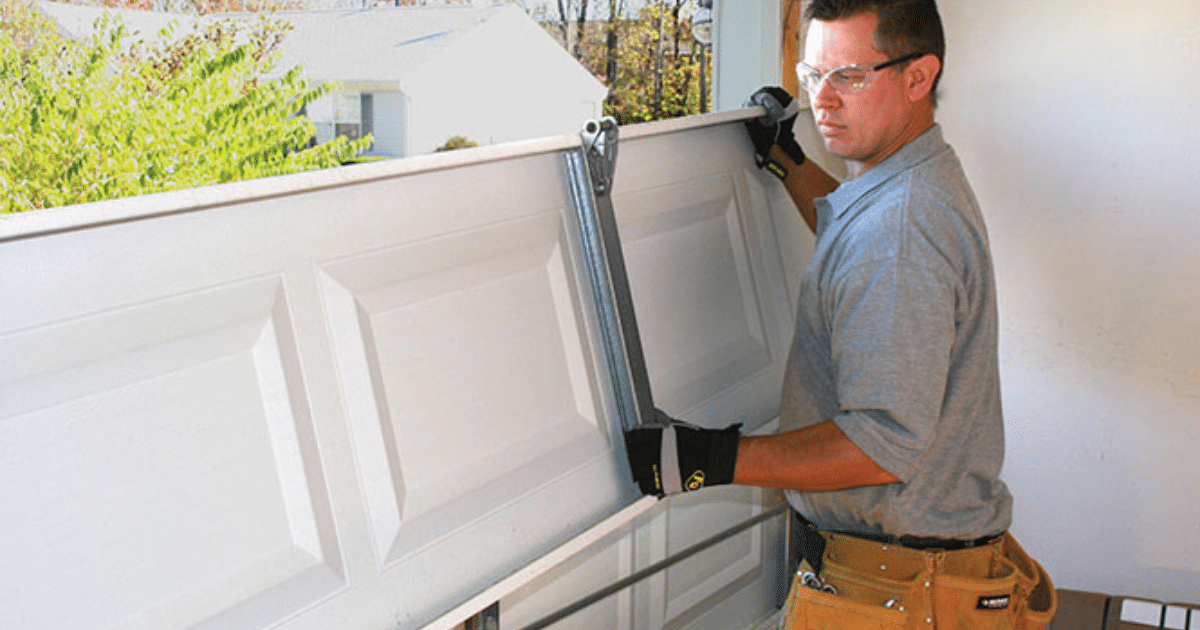
Practical Steps to Slow Down Garage Door Balance Loss
- Lubricate rollers, hinges, springs, and cables every three to six months using a proper garage door lubricant.
- Inspect the tracks visually every few months for dents, debris buildup, or sections that appear to have shifted out of alignment.
- Tighten all visible bolts and brackets along the track and door frame at least once a year before seasonal changes set in.
- Run the manual balance test periodically by disconnecting the opener and checking if the door holds steady at mid-height.
For additional context on what a thorough maintenance routine looks like and what areas to prioritize, this resource on common garage door problems from The Spruce is a reliable reference for homeowners looking to stay proactive.
Knowing when the system has moved beyond basic maintenance is just as important as the maintenance itself. Our guide on When Should You Balance Your Garage Door? Signs to Know outlines the specific warning indicators that mean it is time to bring in a professional rather than continuing to manage it on your own.
Stop the Wear Before It Becomes a Real Problem
Garage door balance does not fail all at once. It erodes slowly through the same everyday forces that affect every mechanical system in your home. Springs lose tension, tracks shift, rollers wear down, and the door gradually drifts away from the balanced position it was designed to hold. Catching those changes early is what separates a quick professional adjustment from a costly full repair.
If your garage door has been showing signs of wear or you have not had a professional inspection in over a year, now is the right time to act. Cleveland County Garage Doors serves homeowners in Lawndale, NC with experienced, reliable garage door service. Contact us or give us a call to schedule an inspection and get your door back to performing the way it should.