
Knowing when to act on a garage door problem is just as important as knowing what the problem is. Most homeowners wait until the door stops working before calling a garage door repair service, but by that point, the damage has already spread through multiple components. The signs that a garage door needs balancing usually appear long before anything breaks, and learning to recognize them early can save you a significant amount of time and money.
This guide walks through the specific timing, warning signs, and situations that tell you it is time to have your garage door balanced. Whether your door is showing subtle changes or obvious symptoms, the information here will help you make the right call at the right time.
The Right Time to Schedule a Garage Door Balance Check
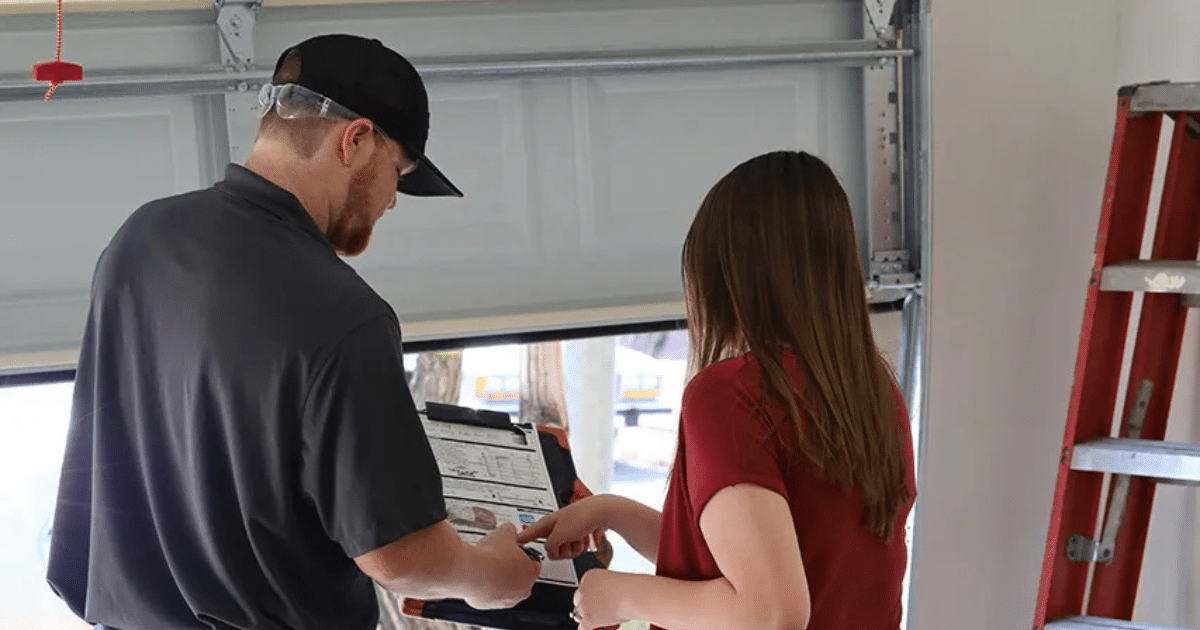
Timing matters when it comes to garage door maintenance. Most garage door professionals recommend scheduling a balance check at least once a year as part of a routine inspection. Homeowners in Lawndale, NC, who use their garage door multiple times a day or have older systems in place should consider scheduling every six months to stay ahead of wear.
Best Times of Year to Check Garage Door Balance
- Schedule a check-in early spring after winter temperatures have caused the springs to contract and lose tension over several months.
- Check again in early fall before cold weather sets in, so any wear from summer heat and humidity is caught and corrected.
- Inspect after any significant impact to the door or tracks, even if the door appears to be functioning normally afterward.
- Book an inspection any time the door has gone more than 12 months without a professional review, regardless of how it appears to be running.
Our guide on Does a Garage Door Need to Be Balanced? covers the foundational reasons why this service matters and what a properly balanced system looks and performs like for homeowners who want the full picture before booking a visit.
Early Warning Signs Your Garage Door Needs Balancing
The earliest signs of a balance problem are easy to miss if you are not paying attention. They often start as minor changes in how the door sounds or moves, and most homeowners write them off as normal quirks. Catching these signals early is exactly what separates a simple balance adjustment from a full repair involving springs, cables, or the opener.
Early Signs That Indicate a Balance Problem Is Starting
- The door moves slightly slower than usual or hesitates briefly at certain points during its travel up or down.
- You notice a new sound during operation, such as a faint scraping, squeaking, or clicking that was not there before.
- The door appears to sit unevenly when fully closed, with one corner slightly higher or lower than the opposite side.
- The garage door opener seems to strain or run longer than it used to when completing a full open or close cycle.
For a complete picture of what causes these early signs to develop in the first place, our guide on How a Garage Door Loses Balance Over Time explains the gradual mechanical process behind balance loss from start to finish.
Physical Signs That Tell You the Door Is Already Off Balance
When early warning signs go unaddressed, the balance problem progresses and the physical signs become more obvious. At this stage the door is already under stress and the components are working outside of their designed parameters. Acting at this point still gives you a good outcome, but waiting much longer risks turning a balance adjustment into a multi-component repair.
Clear Physical Signs of a Garage Door Out of Balance
- The door visibly tilts or hangs at an angle when in the fully closed or fully open position rather than sitting level and straight.
- One side of the door moves noticeably faster than the other during operation, creating a twisting or rocking motion.
- The door shakes or vibrates during travel instead of gliding smoothly and quietly along the track from top to bottom.
- Gaps appear along the bottom seal when the door is closed, allowing light, air, or moisture to enter from outside.
To understand the full extent of damage that follows when these signs are ignored, our breakdown of What Happens When Your Garage Door Is Off Balance? covers every component at risk and why the damage spreads faster than most homeowners expect.
How to Use the Manual Balance Test to Confirm the Problem
The manual balance test is the most reliable way for a homeowner to confirm whether a garage door is out of balance before calling a technician. It requires no tools and takes only a few minutes. Understanding what the results mean helps you communicate clearly with a professional and gives you a better sense of the urgency of the repair.
How to Perform and Read the Manual Balance Test
- Disconnect the opener by pulling the red emergency release cord while the door is fully closed.
- Lift the door manually to approximately waist height and release it without letting go suddenly.
- A properly balanced door will remain in place or drift no more than a few inches in either direction.
- A door that drops to the ground or rises toward the ceiling immediately indicates a significant spring tension problem that requires professional attention.
Automatic garage door safety standards require that doors be properly balanced to ensure that safety reversal systems function as intended, making the balance test a meaningful part of any homeowner’s safety routine.
Situations That Require an Immediate Balance Inspection
Some situations call for a balance inspection right away rather than waiting for a scheduled maintenance visit. These are the conditions where the risk of sudden failure or injury is elevated and where continuing to operate the door without an inspection is not a safe choice. Homeowners in Lawndale, NC, should treat any of these situations as a reason to stop using the door and call a technician promptly.
Conditions That Call for an Immediate Professional Inspection
- A visible spring has snapped, is hanging loose, or shows a clear gap in its coils, indicating a break has already occurred.
- The door dropped suddenly during operation or came down faster than normal at any point during a recent cycle.
- A cable appears frayed, slack on one side, or has jumped off the drum and is no longer properly seated.
- The door will not stay in place when stopped manually at any height and immediately drops or rises without holding position.
This Old House notes in their overview of all about garage doors that springs and cables under tension are among the most hazardous components in any home system and should always be inspected by a qualified professional when any failure is suspected.
How Often Different Types of Garage Doors Need Balancing
Not all garage doors need balancing at the same frequency. The material, weight, and age of your door all affect how quickly the balance system drifts. Heavier doors put more demand on the springs and cables with every cycle, which means they reach the point of needing attention sooner. Knowing where your door falls on this spectrum helps you set the right maintenance schedule.
Balance Frequency by Door Type and Condition
- Steel and aluminum doors on standard residential springs generally need a balance check once per year under normal use conditions.
- Solid wood and heavy carriage-style doors should be checked every six months because their weight accelerates spring wear significantly.
- Doors older than ten years need more frequent attention, regardless of material because springs near the end of their rated cycle count are more likely to shift suddenly.
- Any door that has had a recent spring or cable replacement should be checked within the first three months to confirm the new components are holding their calibration correctly.
What to Expect During a Professional Balance Service
Knowing what a professional balance service involves helps homeowners understand the value of scheduling it before problems develop. A trained technician does more than adjust the springs. They inspect the entire system to identify what has changed, correct the tension, and check every connected component to make sure nothing else has been affected by the imbalance.
What a Professional Balance Inspection Covers
- Spring tension is measured and adjusted to match the exact weight and specifications of the door currently installed.
- Cables are inspected for fraying, uneven wear, and proper seating on the drum before and after any tension adjustments are made.
- Tracks are checked for alignment, debris, and any bending or shifting that could be affecting how the door travels through its full range of motion.
- The opener is tested after the balance correction to confirm it is operating within its designed parameters and not compensating for remaining imbalance.
Do Not Wait for the Door to Tell You It Has Failed
A garage door rarely gives you one clear, dramatic warning before something breaks. It gives you small signals over time, and the homeowners who act on those signals early are the ones who avoid the bigger repairs. Timing your balance checks correctly, staying alert to the warning signs, and knowing when a situation calls for immediate attention are the three habits that keep a garage door system running reliably for years.
If your garage door in Lawndale, NC, is showing any of the signs or is overdue for a professional inspection, Cleveland County Garage Doors is ready to help. Our team has the experience to diagnose balance issues accurately and correct them before they become something more serious. Contact us or give us a call to schedule your inspection and get ahead of the problem before it gets ahead of you.