
Most homeowners do not think much about what is happening inside their garage door. As long as it opens and closes, it seems like everything is working fine. But the technology built into a garage door is what determines how long it lasts, how safely it operates, and how much it will cost you in repairs or garage door repair service over the years. With Doorlink garage doors, the engineering behind the product is one of the biggest reasons homeowners keep coming back to the brand.
This guide takes a closer look at the specific features and technology that make Doorlink doors perform the way they do. If you have ever wondered what separates a well-built garage door from a basic one, the details covered here will give you a clear picture of where the value actually lives.
Why the Technology Inside Your Garage Door Matters More Than You Think
It is easy to judge a garage door by how it looks. Style, color, and panel design are all visible from the street. What you cannot see from the outside is the hardware, the spring system, the insulation, and the structural engineering that determine whether that door will still be performing well five, ten, or twenty years from now.
What good engineering actually delivers:
- Smoother, quieter operation from the first use onward
- Less strain on the garage door opener motor over thousands of cycles
- Fewer surprise repairs and a longer overall lifespan
- Early warning signs that are easier to catch before they become costly failures
- A noticeable difference in daily performance compared to lower-quality alternatives
Homeowners who have owned lower-quality doors before often notice the difference within the first few months of switching to Doorlink. Understanding what is under the hood helps you make a more informed purchase and spot issues before they escalate.
If you want to understand durability and value, read What Makes Doorlink Garage Doors a Smart Choice for Your Home?
Torsion Spring Systems: The Most Critical Component in Any Garage Door
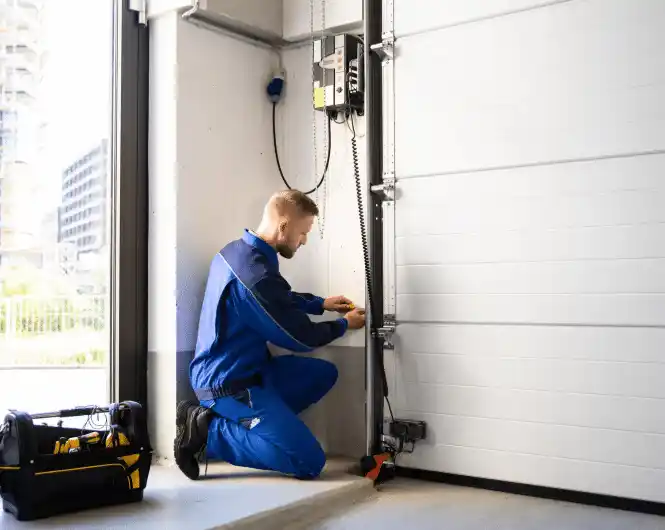
If there is one part of a garage door system that deserves the most attention, it is the torsion spring. This single part does the heavy lifting every time your door moves. It stores mechanical energy when the door closes and releases that energy to counterbalance the door’s weight when it opens. When that system wears down or fails, broken garage door spring repair becomes one of the most urgent services a homeowner can face.
Why Doorlink’s spring systems stand out:
- Rated for high cycle counts that exceed what standard lower-quality springs offer
- A household opening and closing the door four times daily goes through roughly 1,400 cycles per year
- Springs rated for 10,000 cycles last about seven years under those conditions
- Springs rated for 20,000 or more cycles last significantly longer, reducing both cost and inconvenience
- Fewer replacements over the door’s lifetime means lower total maintenance spend
Signs your torsion spring may be failing:
- The door feels unusually heavy when you try to lift it manually
- The opener is straining or making unusual sounds during operation
- The door only opens a few inches before stopping
- A visible gap or separation appears in the spring coil above the door
- The door fell or closed faster than normal without warning
If any of these signs appear, stop using the door immediately and contact a professional technician. Torsion springs are under extreme tension and should never be inspected, adjusted, or replaced without proper training and equipment.
Handling spring failures requires extreme caution, as explained in garage door spring replacement safety guidance, which highlights the risks associated with high-tension components and why trained handling is critical.
Panel Construction and Steel Gauge: Strength You Can Actually Feel
Beyond the spring system, the construction of the door panels themselves plays a major role in how the door holds up over time. Doorlink uses heavy-gauge steel in its panel construction, giving the door a solid, substantial feel from the first time you operate it.
What heavy-gauge steel delivers:
- Greater resistance to denting, warping, and impact damage
- Better performance in areas where hail, debris, or accidental vehicle contact are realistic concerns
- A baked-on finish that resists fading and peeling better than standard painted finishes
- Reduced finish degradation from UV exposure during long North Carolina summers
What to check when evaluating panel quality:
- Ask specifically about the gauge of the steel used in the model you are considering
- Remember that a lower gauge number means thicker, stronger steel
- Examine the panel surface for any pre-existing inconsistencies in the finish
- Check that panel joints fit tightly without gaps, which can allow moisture to enter and accelerate rust over time
Insulation Technology: More Than Just Temperature Control
Doorlink’s insulated door models use foam-core technology to improve thermal performance, structural strength, and noise reduction all at the same time. The type of insulation used affects all three of these outcomes in different ways.
Polyurethane vs. polystyrene: what the difference means:
- Polyurethane is injected directly into the panel cavity and bonds to the steel on both sides, creating a unified structure where foam and steel work together
- This bonding process makes the panel more rigid and resistant to impact than polystyrene alternatives
- Polyurethane achieves a higher R-value at the same panel thickness, delivering better thermal performance without added bulk
- Polystyrene uses rigid foam boards inserted into the panel, offering solid improvement over non-insulated doors at a different price point
Who benefits most from insulated models:
- Homeowners with attached garages where temperature and noise transfer into living areas
- Anyone using the garage as a workshop, home gym, or hobby space
- Households in climates with significant temperature swings, including North Carolina summers and winters
- Homeowners who want structurally stronger panels as a secondary benefit of the insulation
Hardware Engineering: Rollers, Hinges, and Tracks Built to Last
The moving parts of a garage door system take a significant amount of stress over time. Every time the door opens and closes, the rollers travel along the track, the hinges flex, and the cables guide the door through its path. The quality of these components determines how smoothly and quietly the door operates and how long before they start showing wear.
What Doorlink’s hardware engineering delivers:
- Rollers designed to travel smoothly along the track with minimal friction, reducing noise and motor strain
- Hinges built to flex consistently without developing looseness or play over thousands of cycles
- Properly designed tracks that keep the door moving in a straight, consistent path from fully open to fully closed
- Reduced risk of uneven door wear, increased opener strain, and cable or spring failure
What homeowners can watch for to maintain hardware performance:
- Listen for new sounds during operation, since grinding, squeaking, or rattling often indicate a component needing lubrication or professional attention
- Inspect rollers periodically for flat spots, cracks, or wear that signals they need replacement
- Check that the track is clear of debris and that the mounting hardware securing the track to the wall is tight and stable
For a closer look at how the full door system connects to specific model options, Doorlink Garage Door Models: Which One Is Right for Your Home? walks through the lineup in detail.
Opener Compatibility and Smart Home Integration
A garage door’s technology does not stop at the door itself. The way it integrates with your opener and with smart home systems is a key part of the overall experience. Doorlink designs their doors to work with a wide range of modern openers, simplifying upgrades for homeowners who already have a preferred brand or smart home ecosystem.
What modern opener integration looks like:
- Support for remote monitoring, so you can check whether the door is open or closed from anywhere
- Automatic closing features that add a layer of security for busy households
- Integration with platforms like Google Home, Amazon Alexa, and Apple HomeKit
- Dimensional precision and hardware quality that modern openers require to operate reliably
What to discuss with your installer:
- Whether the door and opener are properly matched for the door’s weight and size
- Which opener brands pair best with the specific Doorlink model you are choosing
- How to set up smart home integration from the start rather than retrofitting it later
- Whether upgrading both the door and opener simultaneously makes sense for your situation
If you want to extend the lifespan of your door, read Doorlink Garage Door Installation, Maintenance, and Long-Term Value.
Weather Sealing: Where Technology Meets Real-World Conditions
Weather seals are one of the most overlooked parts of a garage door system, and they play a bigger role in performance than most homeowners realize. A good seal along the bottom, sides, and top of the door keeps out rain, wind, dust, pests, and temperature extremes.
What Doorlink’s weather sealing is designed to do:
- Bottom seal conforms to uneven floor surfaces, which is common in older garages and driveways that have shifted over time
- Side and top seals compress properly when the door closes, creating a consistent barrier around the full perimeter
- Reduces moisture intrusion that can lead to rust on the door’s interior surface in humid climates like North Carolina’s
- Protects stored items, flooring, and walls from water damage and mold growth
What to check regarding weather seals:
- Inspect the bottom seal at least once a year for cracks, tears, or sections that have pulled away from the door
- Look for daylight visible around the door frame when it is fully closed, since any light coming through indicates a gap that needs addressing
- Replace worn seals promptly, as this is a straightforward maintenance task that prevents larger, more expensive problems down the line
How All These Features Work Together
The technology inside a Doorlink garage door is not a list of independent features. It is a system where each component supports the others.
How the system interconnects:
- A properly tensioned torsion spring reduces strain on the opener motor
- Quality rollers and a well-aligned track reduce wear on the spring
- Insulated panels reduce temperature stress on the hardware over time
- Weather seals protect all of it from moisture and debris year-round
- When one component starts to fail, the effects ripple through the rest of the system
Routine upkeep practices like lubrication and inspection are widely recommended in homeowner resources such as garage door maintenance tips, which help extend system life and prevent avoidable performance issues.
Why Doorlink Technology Is Worth the Investment
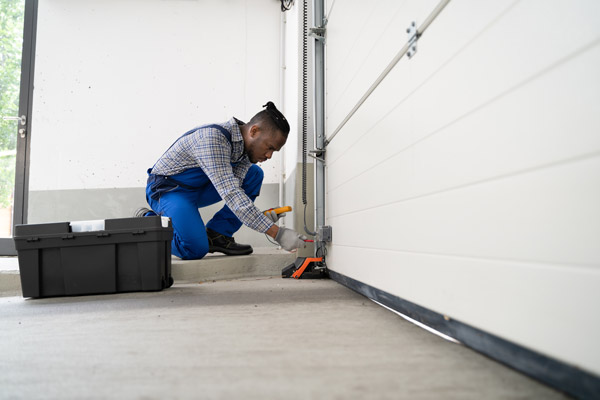
The technology built into Doorlink garage doors is not there to impress on a spec sheet. It is there to make the door perform better, last longer, and require less attention over time. For homeowners who want a door that handles daily use reliably and does not become a recurring expense, the engineering behind Doorlink is a core part of what makes the brand a smart investment.
If you are in Lawndale, NC, and want to talk through which Doorlink features matter most for your home, Cleveland County Garage Doors is ready to help. Whether it is a new installation, a spring inspection, or a full replacement, our team brings the experience to get it done right. Contact us or give us a call today to schedule a visit and get expert guidance tailored to your specific situation.