
Your garage door does a lot of heavy lifting every single day. Most homeowners in Lawndale, NC, barely think about it until something goes wrong, whether that’s a broken garage door spring repair situation or a door that simply won’t budge. But behind every smooth open and close is a set of springs doing all the hard work. When those springs are ignored, small issues can turn into serious safety hazards and costly repairs fast.
Garage door spring maintenance is not something to push to the back burner. It is one of the most important parts of keeping your home safe, your garage door working properly, and your repair bills from piling up. This guide breaks down exactly why it matters, what signs to watch for, and when it is time to call a professional.
Your Garage Door Springs Carry More Weight Than You Think

Most homeowners do not realize how much stress garage door springs handle on a daily basis. A standard residential garage door can weigh anywhere between 130 and 400 pounds, depending on the material and size. The springs are responsible for counterbalancing that entire weight every time the door moves.
There are two main types of springs used in residential garage doors:
- Torsion springs sit horizontally above the door and twist to create tension when the door moves.
- Extension springs run along the sides of the door and stretch to support the door’s weight.
- Each type has a cycle life, meaning they are only built to last a certain number of open and closed cycles before they wear out.
When springs are not maintained regularly, they wear down faster than expected. A worn spring does not just affect how your door moves. It puts extra strain on the entire system, including the opener motor, cables, and rollers. Understanding what your springs do is the first step toward understanding why keeping them in good condition is so important.
For a closer look at what a full-service visit covers, read What to Expect From a Pro Garage Door Spring Maintenance.
Skipping Maintenance Leads to Bigger and Costlier Problems
One of the most common mistakes homeowners make is waiting for something to break before calling a technician. With garage door springs, that approach can be both dangerous and expensive.
Here is what tends to happen when maintenance is skipped:
- Springs lose tension gradually, causing the door to open unevenly or feel heavier than usual.
- Rust and corrosion build up, especially in humid climates, weakening the spring coils over time.
- A sudden spring break can cause the door to slam shut without warning, creating a serious safety risk.
The average cost of repairing a broken spring is noticeably higher than the cost of routine maintenance. Catching problems early through regular inspections keeps repair costs manageable and avoids emergency service calls.
Garage door springs are under extreme tension. A broken spring is not a repair most homeowners should attempt on their own. Always contact a qualified technician when something seems off.
Following proper garage door safety standards helps reduce the risk of injury and equipment failure significantly.
Regular Maintenance Extends the Life of Your Entire Garage Door System
Garage door spring maintenance does not just protect the springs. It protects the entire system. When springs are functioning properly, every other component works the way it should, including your garage door opener. When they are not, the ripple effect touches every part of the door.
Here is what regular maintenance does for the full system:
- Reduces wear on the opener motor by ensuring the springs are doing their share of the lifting.
- Keeps cables properly tensioned, preventing fraying or snapping under uneven load.
- Extends the overall lifespan of the garage door by reducing unnecessary strain on moving parts.
A well-maintained garage door system can last significantly longer than one that is ignored. Most technicians recommend a professional inspection at least once a year to keep everything in top condition.
There Are Clear Warning Signs Your Springs Need Attention
You do not always need to wait for a spring to break to know something is wrong. Your garage door will often give you signals that maintenance is overdue. Knowing what to watch for can save you from a much bigger problem down the road.
Watch for these common warning signs:
- The door moves unevenly or jerks when opening or closing, which often points to uneven spring tension.
- You hear loud creaking, popping, or grinding noises during operation, which can indicate spring wear or a lack of lubrication.
- The door feels unusually heavy when lifted manually, suggesting the springs are no longer providing proper counterbalance.
Understanding how garage door springs work can help homeowners recognize when something is off before it becomes a larger issue.
If you notice any of these signs, do not wait. Schedule a professional inspection as soon as possible. Catching spring issues early is always less expensive and safer than dealing with a full breakdown.
Lawndale, NC, Homeowners Face Specific Conditions That Affect Spring Health
The local climate in Lawndale, NC plays a bigger role in garage door spring health than most homeowners realize. Cleveland County experiences humid summers, temperature swings between seasons, and occasional cold snaps in winter. All of these conditions can accelerate wear on garage door springs.
Here is how local weather conditions affect your springs:
- Humidity causes rust and corrosion on spring coils, weakening them faster than in drier climates.
- Temperature changes cause metal to expand and contract, which gradually affects spring tension and alignment.
- Cold weather thickens lubricants, making springs work harder during the winter months and increasing wear.
Because of these conditions, homeowners in this area benefit from scheduling maintenance more proactively than the average recommendation. A local technician familiar with the Cleveland County area will know exactly what to check for based on the specific conditions your door faces throughout the year.
What a Basic Spring Maintenance Check Should Cover
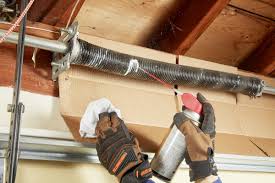
While a full inspection should always be handled by a qualified technician, knowing what is involved helps you stay informed as a homeowner. A standard garage door spring maintenance check typically covers several key areas.
A professional technician will usually:
- Inspect spring tension and balance to confirm the door opens and closes evenly without strain.
- Check for visible rust, corrosion, or cracks along the spring coils that could signal a failure is coming.
- Apply the correct lubricant to reduce friction and slow down wear on the spring components.
For a detailed breakdown of every item a technician checks during a service visit, read Garage Door Spring Maintenance Checklist for Homeowners.
This kind of routine check takes less time than most homeowners expect and makes a significant difference in how long your springs and overall system last.
How Often Should Garage Door Springs Be Serviced?
This is one of the most common questions homeowners ask about garage door maintenance, and the honest answer depends on a few factors. How often you use your garage door, the age of your springs, and your local climate all play a role in determining the right service schedule.
As a general guide:
- Once a year is the minimum recommended service frequency for most residential garage doors under normal use.
- High-use households that open and close the garage door multiple times daily may benefit from servicing every six months.
- Older doors or springs approaching the end of their cycle life should be inspected more frequently to catch wear before a failure occurs.
To get a clearer picture of when the right time to act is, read When Should You Schedule Garage Door Spring Maintenance? for a full breakdown based on usage, age, and warning signs.
Why Professional Service Always Beats a DIY Approach
Garage door springs are one of the most dangerous components in any home. They store an enormous amount of tension and can cause serious injury if handled incorrectly. This is not a system where a homeowner should experiment without proper training and tools.
Here is why professional service is always the right call:
- Technicians have the proper tools to safely adjust, repair, or replace springs without releasing tension suddenly.
- Professionals can spot secondary issues that a homeowner would not notice during a casual inspection.
- A trained technician works faster and more accurately, reducing the risk of a repeat problem in the near term.
Attempting spring repairs without experience puts both you and your door at risk. The cost of a professional service visit is always worth it compared to the potential cost of an injury or a full system replacement.
Your Garage Door Deserves More Than a Quick Glance
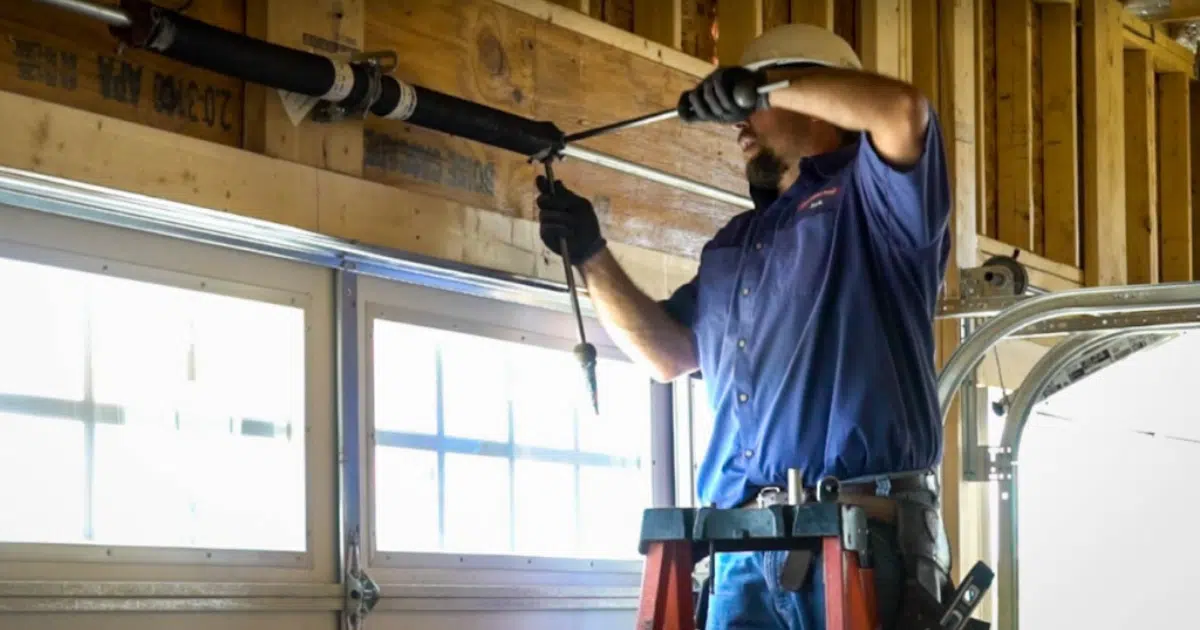
Garage door spring maintenance is one of those things that is easy to forget about until the moment something goes wrong. But for homeowners in Lawndale, NC, staying ahead of spring wear is one of the smartest and safest things you can do for your home.
From extending the life of your system to avoiding sudden failures and keeping your family safe, the reasons to prioritize spring maintenance are clear. A small investment in routine service now saves a much larger one later.
When you are ready to get your garage door springs inspected by a trusted local team, Cleveland County Garage Doors is here to help. Contact us or give us a call to schedule your maintenance visit and keep your garage door working the way it should.