
A broken garage door spring is one of the most common reasons a garage door suddenly stops working or becomes unsafe to operate. In Lawndale, NC, daily cycling, shifting weather patterns, and gradual metal fatigue can accelerate spring failure and cause sudden changes in door movement.
When a broken spring fails, the garage door system can lose balance and place extra strain on the garage door opener and lift hardware. Understanding what causes a broken garage door spring helps reduce potential hazards, limit further damage, and protect the weight of your garage door from an unexpected drop.
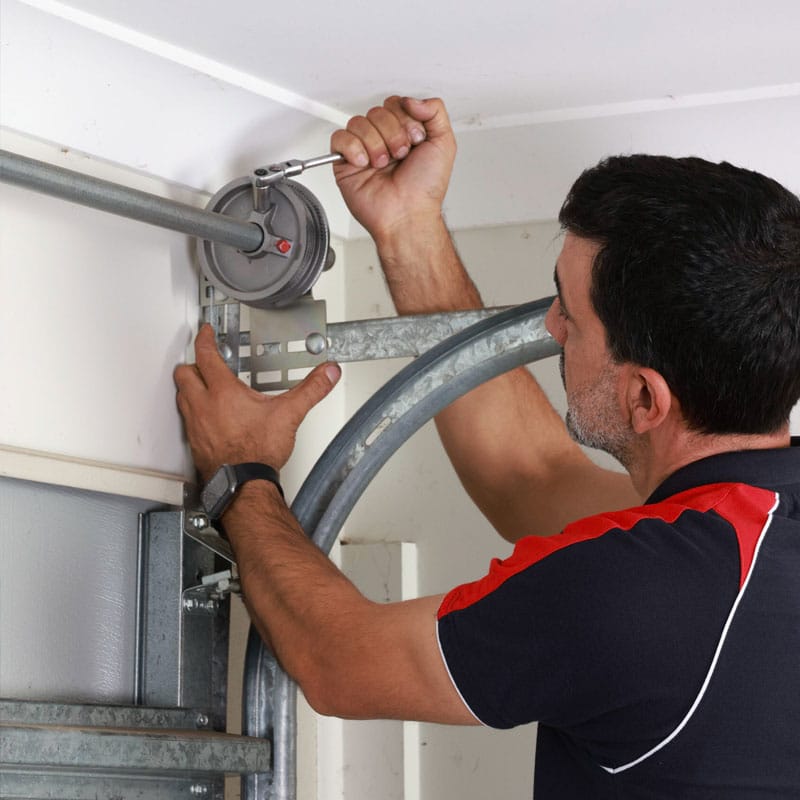
Why Do Garage Door Springs Break More Often in Lawndale, NC?
Garage door springs in Lawndale, NC often fail sooner than expected due to repeated daily cycles, shifting temperatures, moisture exposure, and uneven door loading, which steadily weaken the steel coil until it can no longer safely support the door’s weight.
Common reasons a spring reaches failure sooner include:
- Daily cycling that accelerates normal wear and gradually reduces lifting strength.
- Humidity and surface corrosion increase friction between coils and weaken structural integrity.
- Seasonal temperature fluctuations that tighten or expand the metal, adding internal stress.
- A heavy door or uneven balance that forces the spring to carry more load than designed.
- Worn lift components that increase resistance and transfer additional strain into the counterbalance system.
To understand how these mechanical stress factors translate into visible system changes, read our guide on Signs of a Broken Garage Door Spring (And What Not to Do), which explains the most reliable indicators homeowners notice before complete failure.
Top Causes of Garage Door Spring Failure in Lawndale, NC
Normal Cycle Wear and Metal Fatigue Over Time
Garage door springs weaken with every cycle, and repeated use gradually builds metal fatigue until failure occurs unexpectedly.
Cycle-related stress often shows up through:
- High daily cycling that steadily reduces lifting strength.
- Busy household routines that push the spring past its design range.
- Micro-cracks in steel that grow with each winding cycle.
- Reduced lift support that becomes noticeable before a snap.
Over time, cycle limits shorten spring life, so usage history often explains why springs snap without warning.
Temperature Swings That Change Spring Tension and Flex
Temperature swings in Lawndale can cause spring steel to tighten or expand, raising internal stress and increasing the risk of failure.
Weather-driven strain usually builds through:
- Cold snaps that make steel less flexible under load.
- Hot days shift how tension spreads across the coil.
- Rapid seasonal changes that repeatedly shock the metal structure.
- Part expansion mismatch that adds friction across moving hardware.
Temperature shifts can alter spring tension and accelerate fatigue, and garage door maintenance helps confirm that the system remains balanced and moves smoothly.
Rust and Corrosion That Weaken the Coil Surface
Moisture exposure can corrode spring coils, and rust weakens steel, increasing friction and accelerating fatigue.
Corrosion-related damage typically develops from:
- Humid garage air that leaves moisture on metal surfaces.
- Surface pitting that creates weak points where cracking begins.
- Rough coil contact that increases wear during each cycle.
- Poor airflow keeps damp conditions trapped near hardware.
The International Door Association notes that regular inspection and lubrication can help limit corrosion-related spring damage and spot developing problems early.
Lack of Lubrication That Increases Coil-to-Coil Friction
Loss of lubrication raises coil friction, and repeated dry contact increases wear until the spring can no longer lift.
Friction-related strain commonly builds through:
- Dry coil contact that creates grinding resistance under load.
- Heat and abrasion accelerate surface breakdown over time.
- Added lift resistance that transfers strain to other moving parts.
- Early fatigue signals, such as noise changes and rough motion.
Friction increases stress on the coil, so spring life drops faster as smooth movement turns rough.
Incorrect Spring Size or Improper Prior Installation
Incorrect sizing overloads the spring, and improper installation can create unstable tension that accelerates failure over time.
Sizing and setup issues often come from:
- Mismatched spring capacity that cannot support the door’s weight.
- Uneven spring pairing that forces one side to carry more load.
- Overwinding or underwinding creates unstable lift behavior.
- Unverified prior work that ignores changes in door weight or hardware.
Clopay explains how torsion and extension spring designs counterbalance door weight, and why proper matching and professional handling are essential for safe, reliable operation.
Door Imbalance and Uneven Load Across the Shaft
Door imbalance shifts the load unevenly, and one side can overload the spring, leading to fatigue and failure.
Imbalance pressure commonly shows up as:
- Uneven lift height where one side rises faster than the other.
- Binding travel caused by track, roller, or hinge resistance.
- Unequal cable tension changes how the load sits on the shaft.
- Extra rotational drag that forces the spring to compensate.
Uneven loading concentrates stress on one side, so spring breakdown can accelerate even when the door still moves.
Heavy Door Weight From Added Insulation or Door Upgrades
Added door weight increases spring workload, and heavier panels can push older springs beyond their safe limits.
Weight-related strain often follows:
- Insulation upgrades that raise the load without updating the spring capacity.
- Thicker replacement panels that increase overall door mass.
- Decorative overlays that add weight unevenly across sections.
- Door material changes that alter balance and lift demand.
Extra weight demands more lift force, so springs reach fatigue faster when the system is not recalculated properly.
Worn Cables, Drums, or Bearings That Increase System Strain
Worn lift hardware increases resistance, causing the spring to work harder to overcome drag until fatigue leads to failure.
Hardware-related strain often comes from:
- Cable wear that disrupts smooth load transfer on each cycle.
- Drum wear that alters winding consistency and torque demand.
- Bearing drag that increases rotational resistance across the shaft.
- System friction that forces the spring to compensate continuously.
Worn lift hardware adds drag and forces the spring to carry a load it was not designed to absorb, and unresolved strain often requires garage door service & repair to restore stable movement across the lift path.
Frequent Partial Cycles and Reversals That Increase Workload
Frequent stop-and-go cycles change tension patterns, and partial travel can stress springs more than full cycles.
Irregular cycling often comes from:
- Short openings for quick access, trash days, or deliveries.
- Repeated reversals that interrupt smooth movement under load.
- Extra starts and stops that create sharper stress spikes in the coil.
- Higher strain demand as the lift path repeatedly re-engages.
Stop-start operation increases stress spikes, so springs can wear faster when movement becomes inconsistent throughout the day.
Long Periods of Inactivity Followed by Sudden Heavy Use
Long inactivity can lead to corrosion and stiffness, and sudden heavy use can trigger failure when the system restarts.
Inactivity-related breakdown often follows:
- Moisture settles on coils during dormant periods.
- Stiffened movement as protective films degrade over time.
- Sudden cycle increases when daily routines return quickly.
- Hidden weakening that builds without clear performance warnings.
After downtime, springs re-enter service under higher friction, so failure risk rises when heavy use returns suddenly.
Early Warning Signs That Spring Failure Is Getting Close
Early warning signs often appear before a broken garage door spring happens, and changes in sound, movement, and balance usually point to rising strain inside the garage door system that can lead to sudden failure.
Warning signals homeowners in Lawndale, NC often notice include:
- A loud bang from the garage suggests a spring breaks under high tension.
- Jerky door travel where door panels move unevenly along the horizontal tracks.
- A heavy door feels during garage door opening, especially when lifted by hand.
- Loose cables or uneven slack near the side of the garage door.
- A visible gap in the torsion springs signals a broken torsion spring.
- Straining or humming from the garage door opener as the door opener fights the door’s weight.
- Uneven door position, with one side of the door sitting lower near the bottom.
- Slower movement that shows the weight of your garage door is no longer being counterbalanced smoothly.
To confirm whether the warning signs point to spring failure or another lift-path problem, read our guide on How to Know If Your Garage Door Spring Is Broken?, which explains the most reliable indicators to check before the situation escalates.
What Happens Inside the System When a Spring Breaks
When a spring breaks, the garage door system loses the counterbalance that controls the door’s weight, which can make movement unstable and place unsafe strain on key hardware.
What usually happens next includes:
- The door feels unusually heavy, especially during garage door opening.
- The movement becomes uneven, with one side of the door dropping or rising faster than the other.
- Cables can lose tension, leading to loose cables near the sides of the door.
- The garage door opener strains as the door opener attempts to lift a heavy door without spring support.
- Track travel becomes rough when door panels bind in the horizontal tracks.
- Other hardware absorbs extra force, increasing the likelihood of further damage.
Loss of spring support can make door movement unstable and increase strain on cables, drums, and the opener, and emergency garage door repairs help secure the lift system before the condition escalates.
Why Lawndale, NC Conditions Can Accelerate Spring Damage
Lawndale, NC, conditions can speed up spring wear when moisture, temperature swings, and daily usage patterns increase corrosion risk and add strain that weakens the steel over time.
Local factors that often accelerate damage include:
- Humid air in the garage, which promotes rust and surface corrosion on springs and lift hardware.
- Seasonal temperature shifts, which change spring tension and increase stress during normal cycles.
- Storm-season routines, where frequent vehicle use raises the number of daily open-and-close cycles.
- Dust and debris buildup, which can increase friction along moving parts and add resistance to the lift path.
- Garage airflow issues, where trapped dampness keeps metal surfaces exposed to moisture longer.
- Higher cycle counts, especially when your garage door serves as the home’s main entry point.
Local wear factors often accumulate over time, increasing the likelihood of spring fatigue and the risk of unexpected failure during everyday operation.
When a Garage Door Spring Broken Issue Becomes a Safety Risk
A garage door spring broken issue becomes a serious safety risk when the door’s weight is no longer controlled by the counterbalance, leading to unstable movement, sudden drops, and dangerous strain on the lift hardware.
Safety red flags that often show the situation is getting dangerous include:
- A heavy door that feels hard to lift, which raises the risk of injury during manual handling.
- Uneven door travel, where one side of the door moves differently and can bind in the tracks.
- Loose cables near the opening can shift or slip, causing unpredictable movement.
- Opener strain and stalling occur when the garage door opener attempts to lift more than it was designed to carry.
- Sudden closing or slamming which increases the chance of severe injuries to anyone nearby.
- Visible hardware stress, where brackets, drums, or supports appear pulled or misaligned.
To understand the risks before attempting to lift or operate the door, read our guide on Is It Safe to Open a Door With a Broken Garage Door Spring?, which explains what can happen when spring tension is lost and why operating the system can increase injury and damage risks.
Garage Door Spring Repair vs. Full Replacement After a Break
After a broken garage door spring, the next step is usually deciding between targeted garage door spring repair and a full spring replacement, based on system age, balance condition, and overall hardware wear.
Factor | Garage Door Spring Repair | Garage Door Spring Replacement |
Scope of Work | Addresses a specific damaged area if the spring system allows safe correction. | Replaces the entire spring unit to restore full lifting support. |
System Balance | May correct minor imbalance if the remaining parts are in strong condition. | Restores proper counterbalance across the full garage door system. |
Age of Springs | More suitable if the springs are relatively new and evenly worn. | Recommended when springs are older or nearing cycle limits. |
Long-Term Reliability | Can serve as a temporary solution in limited cases. | Provides more stable, reliable long-term garage door performance. |
Risk of Repeat Failure | Higher if paired springs are unevenly aged. | Lower when both sides are properly recalibrated and matched. |
Choosing the correct approach depends on the weight of your garage door, the type of spring installed, and whether other components of your garage door system show signs of wear that could affect long-term safety and performance.
What a Technician Will Check to Confirm the Root Cause
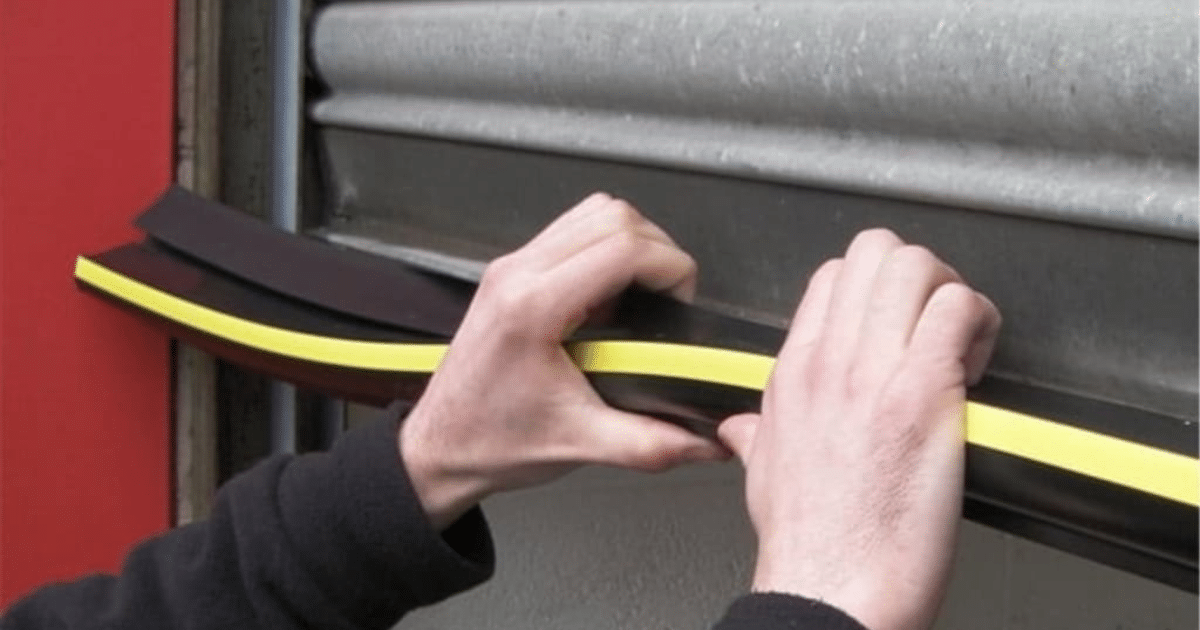
A technician confirms the root cause of a broken garage door spring by inspecting the spring setup, door balance, lift hardware, and the opener strain to identify the overload.
Key checks during a professional evaluation often include:
- Spring sizing and type, confirming the correct spring match for the weight of your garage door.
- Door balance and lift feel, noting whether your garage door moves smoothly or feels like heavy lifting.
- Cable and drum condition, checking for loose cables, uneven winding, or wear that shifts the load.
- Track and roller alignment, inspecting horizontal tracks for binding that increases resistance.
- Opener strain signs, reviewing how the garage door opener responds when the load support drops.
A complete inspection links the break to the entire garage door system, so the service plan addresses the true cause rather than just replacing the spring.
Stop Spring Failure From Getting Worse in Lawndale, NC
A broken garage door spring often begins with normal wear, corrosion, or an overloaded setup that gradually weakens the lift support until the door’s weight is no longer supported. Fast action helps reduce potential hazards, protect your garage door system, and limit further damage to cables, tracks, and the garage door opener.
Cleveland County Garage Doors provides professional service in Lawndale, NC, with technicians who understand the main types of springs and the proper precautions required around high-tension hardware. We restore safe operation with the right diagnosis and the right parts, so contact us or give us a call today to schedule service and get your door working safely again.