
For most residential garage doors with two torsion springs, replacing both is the smarter budget choice, even when only one has broken. Four cost factors explain why: springs installed together wear at similar rates, labor is shared across both springs in a single visit, a second failure means a second service call, and mismatched springs can leave the door unbalanced and the opener under strain.
In Cleveland County, including Shelby and Kings Mountain, torsion spring replacement typically runs $300 to $450, and technicians often recommend replacing both springs if one snaps. Replacing one spring costs less today, but the pair usually costs less over time. A technician providing garage door service repair can inspect the second spring and tell you honestly whether it still has life left.
Key Takeaways
- Springs installed together have been through the same number of openings and closings.
- Labor and tension work happen once when both springs are replaced together.
- A second spring failure means a second service call, which often costs more than the pair would have.
- Mismatched springs can leave the door unbalanced and push extra strain onto the opener.
- Doors with only one torsion spring are the exception, since there is no pair to consider.
- A technician can inspect the surviving spring and give an honest read on its remaining life.
One Spring vs. Both: Cost Comparison
Cost Factor | Replace One | Replace Both |
Upfront parts cost | Lower | Higher |
Labor and tension work | Done now, repeated later | Done once |
Risk of a second service call | Higher | Lower |
Door balance after repair | Depends on the older spring | Matched and even |
Long-term spending | Often higher | Often lower |
Local price reference | Torsion spring replacement typically runs $300 to $450 | Ask for both prices in writing |
1. Springs Installed Together Wear at Similar Rates
Two springs on the same door lift the same weight with the same number of openings, so they age on nearly the same schedule.
Why Torsion Springs Wear Out in Pairs
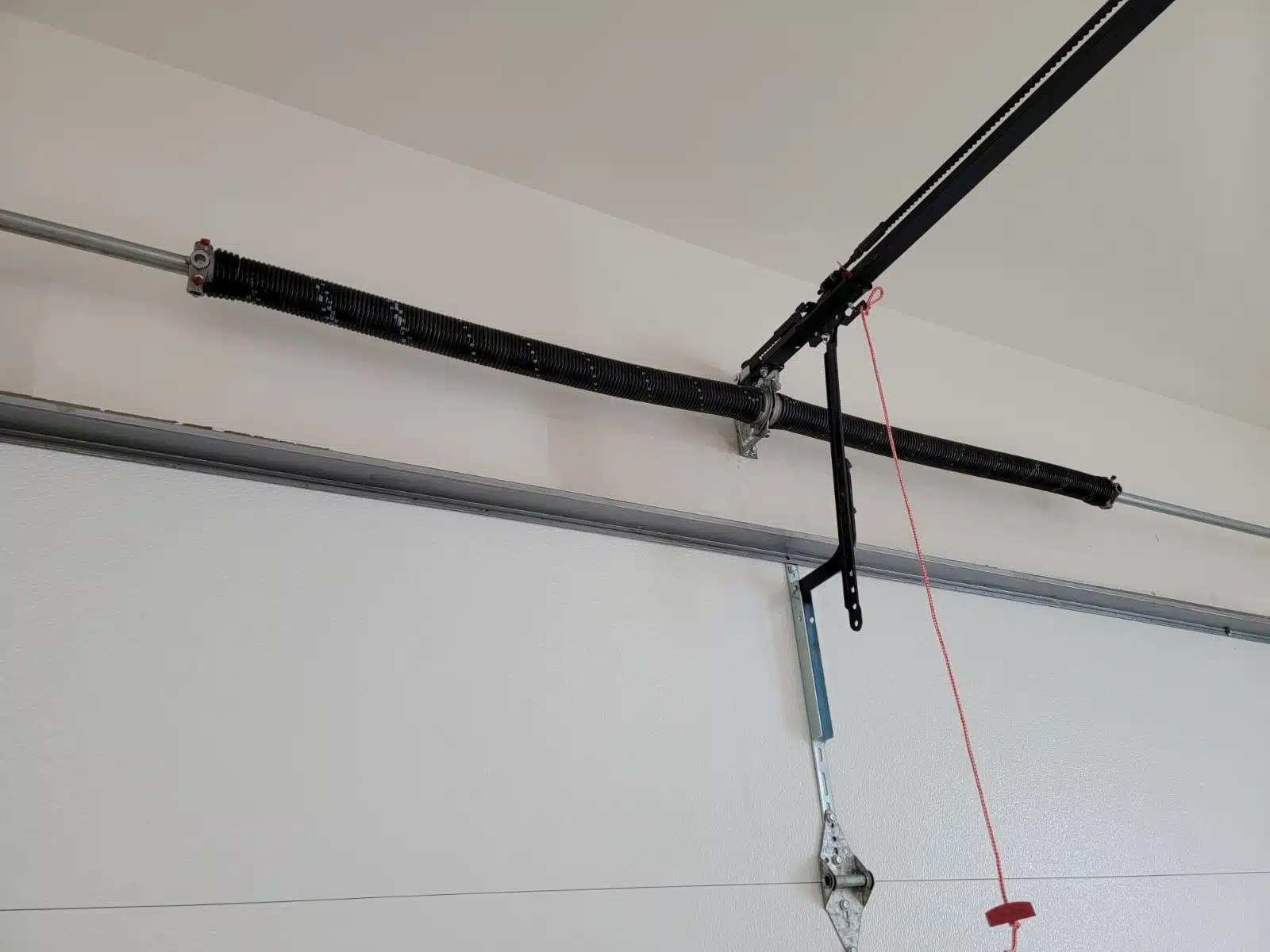
Every spring has a cycle rating, which is the number of full openings and closings it can handle before the metal fatigues. When one spring breaks, the other has usually completed the same number of cycles and carried the same load. A surviving spring that looks fine can be only weeks or months from failing, which is why technicians often recommend replacing both. The metal fatigues from the inside, so there may be no visible warning before it lets go, and the cost of that surprise is usually higher than the price of replacing it while the technician is already on site.
What the spring’s age tells you:
- Springs installed together share the same cycle rating and usage history.
- A spring that breaks early in its expected life may point to a heavy door or poor balance.
- A surviving spring with rust, gaps, or stretched coils should not be trusted.
Expect a higher upfront price if both springs are replaced, balanced against fewer surprises later.
If you want the full cost picture for spring repair, read How Much Does Broken Torsion Spring Repair Cost for a Home Garage Door? 5 Things That Change the Price.
2. Labor Is Shared Across Both Springs
The most expensive part of a spring repair is often the technician’s time and the tension work, not the spring itself.
How Shared Labor Lowers Garage Door Spring Repair Cost
Winding a torsion spring means releasing and restoring high tension safely, and the setup for that work is the same whether one spring or two are being changed. Doing both in the same visit spreads that labor across two parts instead of paying for it twice. Labor typically runs $25 to $75 per hour, and many companies charge a flat-rate diagnostic or service call fee instead, so every repeat visit adds that fee again.
According to the garage door guide from This Old House, the torsion spring counterbalances the door’s weight and sits under high tension, which makes it dangerous to replace without training. That safety requirement is why the labor portion carries real weight in the final price, and why a technician’s time is worth spreading across both springs rather than buying it twice. A door that has already lost one spring is also being lifted by a single spring in the meantime, which adds stress to the surviving one.
Ways to keep labor costs predictable:
- Ask whether the quote covers one or both springs, and see both prices.
- Have the technician check cables and drums during the same visit.
- Schedule a regular appointment rather than waiting for an emergency.
Expect a higher price if the visit is repeated, since the call-out and tension work are paid for twice.
If you want to know what happens the moment a spring breaks, read What Happens When a Garage Door Spring Breaks.
If you want to see where spring work fits among every other repair cost, read How Much Does Residential Garage Door Repair Cost? 7 Factors That Affect the Price.
3. A Second Failure Means a Second Service Visit
Replacing only one spring saves money today and can create a more expensive problem on a worse day.
Why a Second Spring Failure Can Cost More Than Replacing Both
If the remaining spring breaks a few months later, you pay for another visit, another call-out, and possibly another stretch with a door you cannot use. Homeowners who planned a modest, scheduled repair end up making an urgent call instead, and urgency is exactly what raises the price. A second failure often happens at the least convenient moment, such as a morning with the car trapped inside, and may call for emergency garage door repair at after-hours rates.
Angi’s garage door inspection guide recommends checking springs for rust, breakage, and wear, and cautions homeowners never to tamper with torsion springs because one mistake can cause severe injury. It also notes that catching problems early saves money compared with waiting for a failure.
Smart ways to avoid a second emergency:
- Ask the technician to inspect the surviving spring for rust and stretched coils.
- Treat any squeaking that persists after lubrication as a warning sign.
- Replace both springs if the second spring shows any wear.
Expect a higher total cost if the second spring fails soon after a single-spring repair.
If you want to spot trouble before it happens, read Broken Garage Door Spring Warning Signs.
4. Door Balance and Opener Strain Depend on Matched Springs
Springs do more than lift the door. They share a load, and uneven springs change how the whole system behaves.
How Mismatched Springs Affect Door Balance and Opener Wear
A new spring paired with an older, more fatigued one can leave the door slightly unbalanced, with one side working harder than the other. An unbalanced door pushes extra strain onto the opener, rollers, and cables, and those secondary costs rarely show up on the original quote. The opener is designed to guide a balanced door, not to lift most of its weight, so a door that relies on the opener instead of the springs wears the motor and gear faster than expected. Routine garage door maintenance includes a balance check, which helps confirm that matched springs are doing their job.
Signs the door is out of balance:
- The door feels heavy or rises unevenly.
- The door drifts up or down when lifted halfway by hand.
- The opener strains or runs louder than usual.
Expect a higher cost over time if mismatched springs shorten the life of the opener or cables.
If you want to compare spring repair with replacing the door itself, read Is It Cheaper to Repair or Replace a Residential Garage Door? 6 Cost Factors to Weigh.
The Pair That Pays Off Over Time
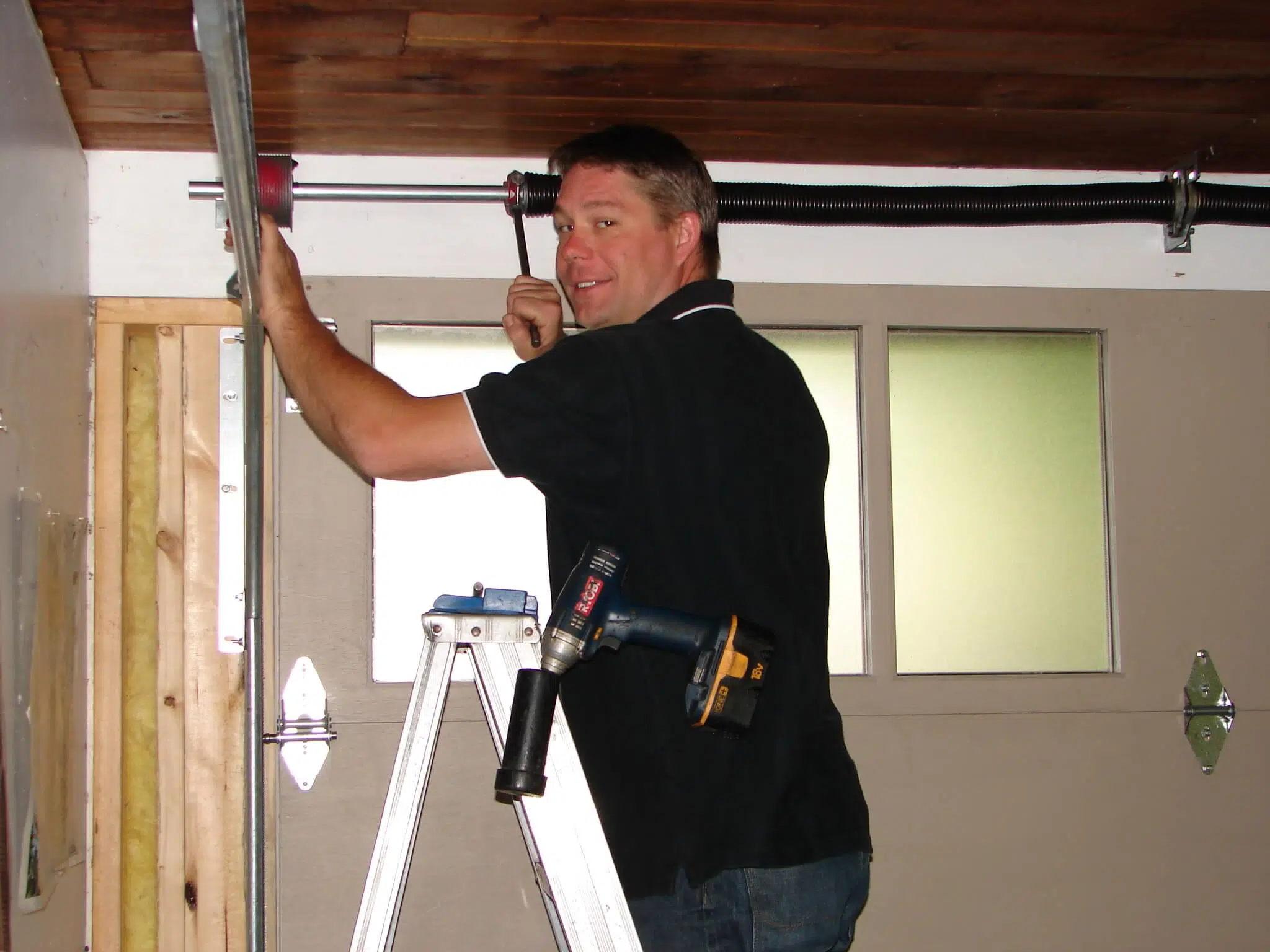
Replacing one spring is a smaller bill today, but replacing both usually protects the door, the opener, and your schedule. When wear, labor, and balance are added up, the pair often costs less than two separate repairs. Cleveland County Garage Doors provides residential spring replacement across Cleveland County, including Shelby and Kings Mountain, and will inspect the second spring and give you both prices before work begins. Contact us or give us a call to compare the numbers for your door.